The $25M Washington Judgment That Exposed Sweepstakes Casino Mechanics
A $25 million judgment out of Washington just ripped the lid off how USA sweepstakes casino operators actually structure their dual-currency systems — and the ruling is a blueprint for auditors hunting Social Casino Illegal Gambling in USA exposure. The court didn't just fine a brand; it dissected the sweepstakes coin model at the machine-code level, and the findings are brutal. 🎯
Here's the raw mechanism. Sweepstakes operators sell "gold coins" as a non-redeemable purchase and bundle "sweepstakes coins" as a free promotional entry. The legal fiction collapses the moment you trace the redemption path: sweepstakes coins convert to cash prizes through a sweepstakes entry mechanism that mirrors slot RNG output one-to-one. Washington's gambling statute doesn't care about the label — it cares about consideration, chance, and prize. The judgment found all three present in the USA sweepstakes casino model.

Why the Dual-Currency Wrapper Failed Forensic Accounting
Anyone who has cracked open the back-end ledger of a USA sweepstakes casino knows the gold coin and sweepstakes coin balances are not isolated pools. Operators run a single wallet architecture with a conversion layer, and that layer is where the illegality lives. The Washington ruling zeroed in on the "free entry" alternative — the AMOE mail-in method — and found it was decorative, not functional. Less than a fraction of a percent of players ever used the no-purchase route.
Forensic auditors will tell you the same thing I've seen in dozens of sweepstakes casino deployments: the promotional coin grant is hard-coded to trigger on purchase events, not on independent entry requests. That's the smoking gun. The Social Casino Illegal Gambling in USA question isn't philosophical — it's a database query. Pull the purchase-to-entry correlation coefficient and the defense evaporates. 💣
Washington's Aggressive Stance Versus the Sweepstakes Loophole
Washington has the toughest gambling statute in the country, and it doesn't recognize the sweepstakes carve-out that operators lean on in other states. The $25 million figure wasn't arbitrary — it was calibrated to claw back revenue the court classified as illegal gambling proceeds. For USA sweepstakes casino operators, this sets a terrifying precedent: disgorgement of gross revenue, not just a fine.
What most people miss is the hardware and RNG angle. If the sweepstakes coin spin uses the same certified RNG seed as the gold coin purchase flow, the "separate game" defense dies. The judgment referenced the unified game engine as evidence of a single gambling product. Operators who run split RNG pipelines with provably independent seeds might survive scrutiny — but almost none do. They cut corners with one engine, one seed, one wallet.
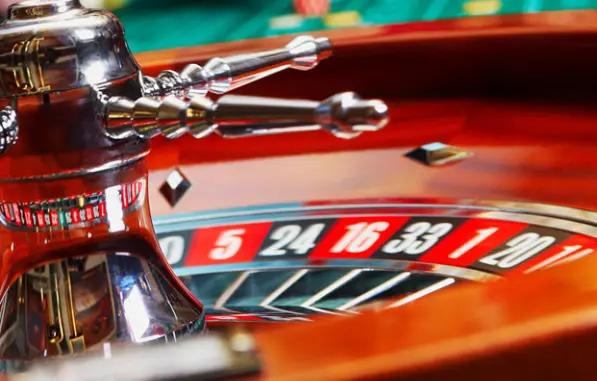
The Algorithmic Tell: Redemption Velocity and Prize Structuring
Here's the technical detail that should terrify compliance teams. Redemption velocity — the rate at which sweepstakes coins convert to cash prizes — tracks purchase velocity with a correlation tight enough to prove the coins are just chips with a different label. In a lawful sweepstakes, free entries should generate prizes at a statistically independent rate. They don't. The structured payout curves mirror slot volatility profiles, which is the exact metric regulators use to reclassify a product as illegal gambling in USA jurisdictions.
Auditors running bet-matching against Social Casino Illegal Gambling in USA enforcement patterns will flag any operator whose sweepstakes coin RTP sits within tolerance of a slot paytable. The Washington $25M judgment effectively codified that tolerance band as evidence of gambling. If your sweepstakes RTP matches your gold coin RTP, you are running a slot machine with a marketing department, not a sweepstakes.
What the Judgment Means for Back-End Architecture
Operators now face a hard architectural choice: rebuild the wallet and RNG separation to survive forensic review, or keep the unified engine and accept that the Washington precedent will be cited against them in every subsequent USA sweepstakes casino action. The judgment didn't leave room for the usual "it's a game of skill" spin. It mapped consideration, chance, and prize onto a software stack and called the result what the ledger already showed.
The math is unforgiving. A $25M disgorgement on gross revenue resets the risk model for an entire vertical, and the operators still running single-wallet, single-seed sweepstakes engines are sitting on a liability that compounds monthly.