Louisville Historical Racing Machine: The Parlor Trick That Bypassed a Statewide Vote
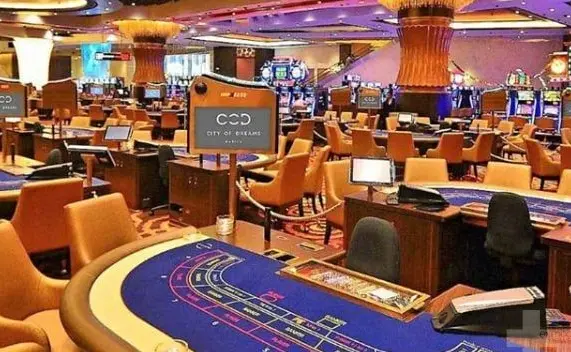
Kentucky voters slammed the door on casino gambling three separate times, yet a Louisville Historical Racing Machine facility now hums with slot-like terminals that pay out real money. That is not a loophole — it is a masterclass in legislative engineering, and anyone who thinks the Kentucky No Casino Amendment actually killed casino-style play in the Bluegrass State has been reading the wrong statute book. 🎰
The mechanism is brutally simple once you strip away the marketing gloss. Historical racing terminals replay archived horse races, strip every identifying mark, and let the player wager on the outcome. Regulators classify the product as pari-mutuel horse racing, not casino gaming. That single classification decision is worth hundreds of millions in annual handle, and it is the entire legal architecture holding the Louisville operation upright.
The Amendment That Could Not Touch It
Here is the part the general public keeps fumbling. The Kentucky No Casino Amendment was written to block traditional casino gambling — table games, slot machines, riverboat casinos. It amended the state constitution to require a public vote before any casino expansion. Historical racing machines never triggered that amendment because they are licensed under the horse racing statute, not a casino statute. Two completely different regulatory universes, and the operators knew it from day one. 🐎
Kentucky courts have already been dragged into this fight multiple times. The Kentucky Supreme Court upheld the legality of historical racing in 2022, ruling that the wagers remain pari-mutuel in nature because the payouts derive from a shared pool tied to race results. That ruling is the load-bearing wall. Remove it, and the entire Louisville floor collapses overnight. Keep it, and you have a de facto casino operating under a racing license with zero constitutional amendment required.
Why the Louisville Floor Is a Compliance Minefield
From an audit and hardware standpoint, these terminals are not passive machines — they are settlement engines with strict pool integrity requirements. Each wager must map to a real archived race, the random number generation must be independently certified, and the payout calculation must reconcile against the pari-mutuel pool. Any drift between the displayed outcome and the underlying pool data is a regulatory violation, and Kentucky regulators have shown they will pull a license without blinking. 💀
The Kentucky Horse Racing Commission mandates pre-market testing on every terminal model before deployment, plus ongoing field audits. Operators who treat the Louisville facility as an easy cash cow and skip the certification chain are begging for a shutdown order. The Louisville Historical Racing Machine footprint only survives because the compliance documentation is airtight at every terminal.

The Financial Gravity Nobody Can Ignore
Strip away the legal theater and the numbers scream. Historical racing handle in Kentucky has climbed past the billion-dollar threshold annually, generating tax revenue that state legislators absolutely cannot replace through any other channel. That financial gravity is exactly why the Kentucky No Casino Amendment has never been seriously reopened — the horse racing industry already built its own casino product, and it did so without asking voters for permission. 🤑
Purse money for live racing now depends on historical racing revenue, which means every Louisville terminal indirectly subsidizes the state's signature agricultural export. Opponents call it casino gaming in disguise. Operators call it pari-mutuel innovation. The courts call it legal. That is the entire fight, and the Kentucky No Casino Amendment remains stuck on the sideline while the terminals keep printing handle figures that dwarf anything a constitutional casino amendment could have produced.